
By Leigh -
As most of you know, my birds generally free range from sunup to sundown every day. The other day my husband hurried into the house to tell me there was a hawk in a nearby tree. The crows were after it, which is a good thing, but it still put me on edge. Yes - raptors migrate in the Spring and Fall, so even if you never have trouble with aerial predators the rest of the year, it is wise to keep your eyes to the skies during migration season!
I currently have 4 broodies with 11 chicks between them (hawk bait)... and most of the chicks are already sold and waiting until I find someone with whom they can hitch a ride with up to the DC area.
Groan.
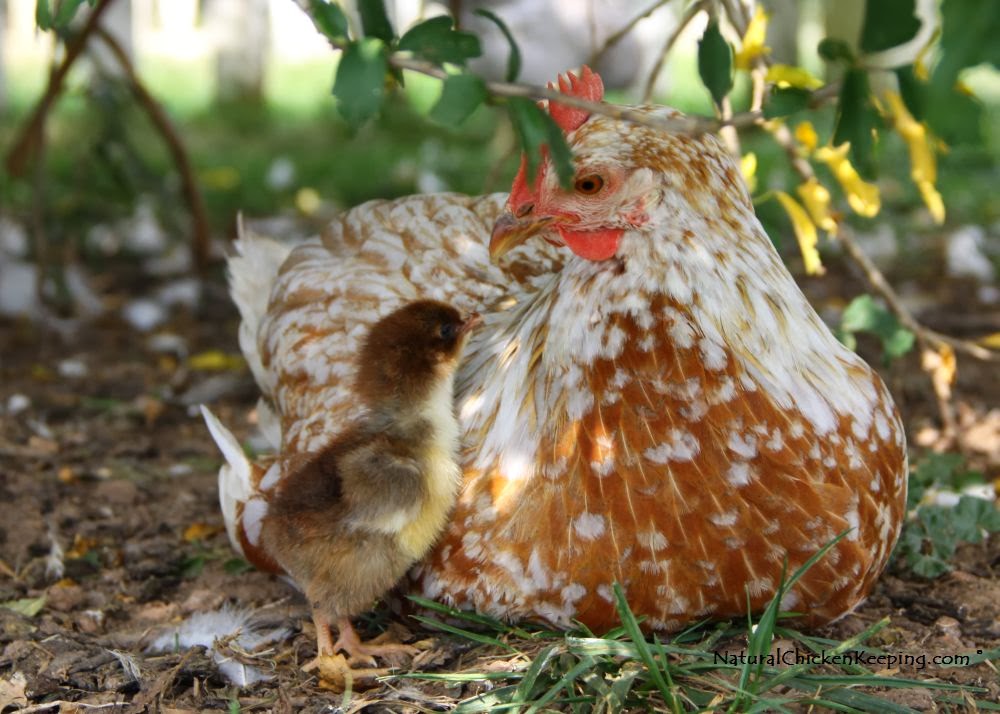
That night I grabbed my adult son and we went out after dark and played a game of "musical chickens." We put all the broodies and all their chicks into a single coop with a run, and locked them up... and haven't let them out since.

(Hey - looks aren't everything. It's secure and it doesn't leak. :-)
ANGRY BIRDS have nothing on these hens and their babies! I get the nastiest looks and have to take drastic measures to prevent escapees every time I open the coop to give them feed or water. (I had the net out twice just today to round up runaways.)

So - while normally these birds would find all kinds of bugs and plants to feast upon throughout the day while free ranging, now I need to supplement their diets with as much of the "next-best-thing" as I can. I also need a boredom-buster for these birds that are so used to running and playing the day away in freedom.
I have found home made Suet Cakes to be a great solution!
By making your own suet cakes, you can customize the mixes based upon your birds' biggest nutritional needs. When hung in a suet cage, a mesh onion bag or just by a rope wound about it, it gives the babies and their mammas a fun family activity. So far these suet cakes have proved to be even more entertaining for my chickens than lining up along the run fence to glare at me as I walk by...
I also happen to have chicks in a brooder. These chicks have never free ranged, but they also need the vegetation and meat protein to insure their health.
So - first pick your ingredients based upon what your birds need most. If you are simply making these to feed wild birds, you can use packaged wild bird feed. For this batch (which I made for my chickens) I used:
- Fresh young clover (harvested from the chicken yard)
- raw chicken liver (um... not harvested from the chicken yard in this instance)
- Squash seeds (natural wormer)
- Old fashioned oatmeal
- Dried meal worms
- Scratch grains
- Chick starter feed
- Garlic (great for health and deters external parasites)
- Oregano (natural antibiotic properties)

I simply used my judgement to determine percentages. You want to think about how much of what they would be eating while free ranging. Lots of clover and vegetation and plenty of bugs! I also use their regular feed as a filler. I use "treat" foods (scratch) very sparingly.
Add more meat protein for molting birds or more vegetables and grasses for your non-free ranging flock.

Yum - just look at those delicious worms! When you pick out your ingredients, think of these suet cakes as a health supplement more than a treat or dessert.
You also need suet... thus the name "suet cakes..."
If you have a local butcher, you can ask for waste suet. Many of the larger chain grocers won't give it (or sell it) to you because they can't sell anything unfit for human consumption... even if you swear up and down no humans will be consuming it... but sometimes nice people will help you out anyway.
If you can't get super cheap or free suet from a store, just save all the grease from cooking meats. I save the drippings from hamburgers when I cook on our George Foreman Grill, and when I brown ground beef in the skillet to make tacos. I put it in a container and keep it in the refrigerator until I'm ready to use it. If it will be more than a few days, go ahead and freeze it to preserve freshness!

Many folks are against using plastic - and I'm not a big fan, but this was what I had available the other day.
When you are ready to make suet cakes, just heat the now solid suet up until it is liquid, and start adding in your ingredients.

Add in dry ingredients a little at a time to test consistency. You don't want the mix to be too dry or it won't hold together. On the flip-side you don't want too much suet or your creation will look more like bumpy soap than something delicious.

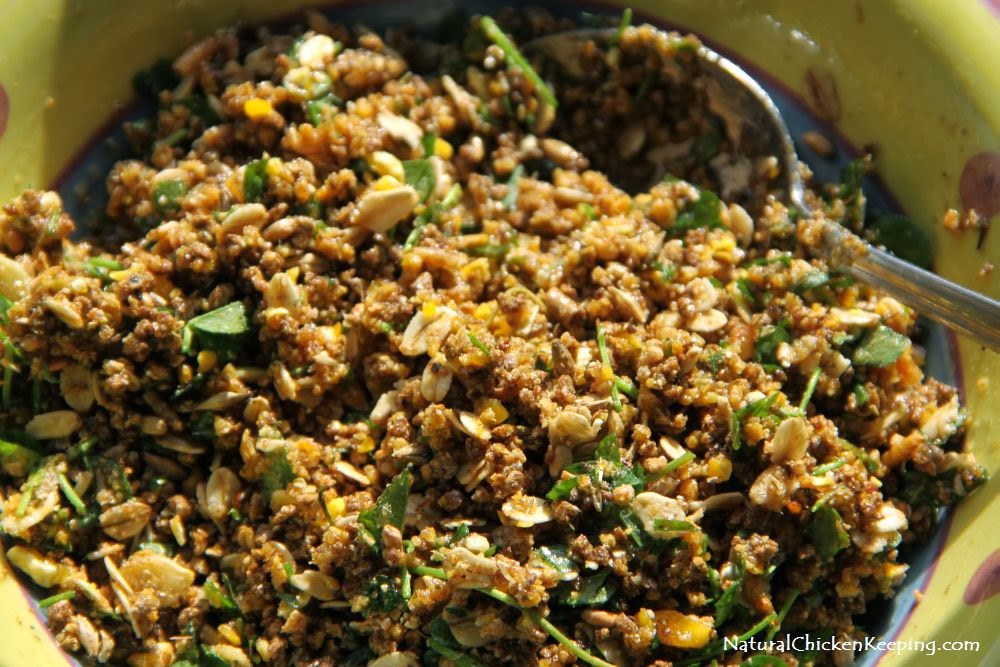
Now you need a mold. I had these cute little (and horribly under-used) heart pans from a project I did with kids. They work great and the end result fits neatly into a smaller-size suet cage.

But you can also use just about anything else you have about the house...

Just don't bring these to your kids' school bake sale!
You can even use old boxes lined with tinfoil or parchment paper or anything else that seems a good size and shape for your needs.
Unless I am lining my molds with foil or paper, I do grease them to help the hardened suet cakes slide out easily.
Then, just seal them up and pop them into the freezer for an hour or so.

Once the suet has had time to harden, you can remove the cakes from the molds, reseal them and put them back into the freezer until you are ready to use them. All your fresh ingredients and meat will stay fresh this way, too!


I put one in the indoor brooder and it took no prompting for the chicks to go to work on their new treat!

Creating your own suet cakes is so easy, and your flock will thank you... even if they are still covertly plotting your untimely demise for locking them up.
Get creative. These suet cakes can also make great gifts for your chicken (and wild bird) loving friends.
(And though I would have loved to have been able to post a photo of my cooped broodies and their chicks enjoying my suet creations, when I opened the coop a crack in an attempt to get the shot, all I got was a blur of angry beaks and feathers flying directly at my camera lens in their frenzy to escape... sorry.)
And do you know what else make great gifts for your chicken-loving friends this holiday season?
How about Lisa Steele's new book, Fresh Eggs Daily? See This Post for more book details and to enter (you have just a few hours left) for a chance to win a copy!
And how about Sarah Rosedahl's adorable book, Chicken Breeds A to Z? Keep your eyes out - we'll be giving a copy away in the next few days!
Chicks dig it!
- Leigh


*****************


